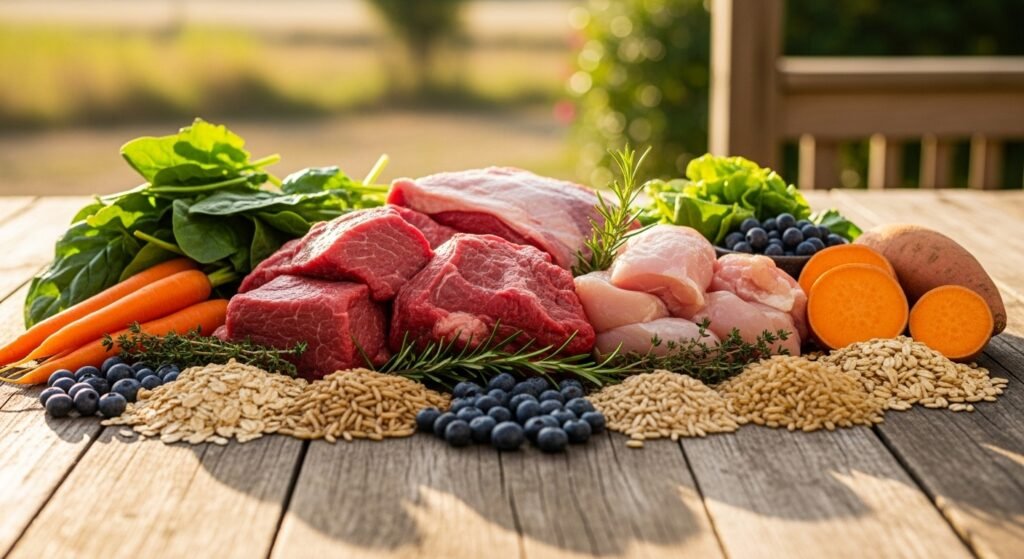

Rediscovering the Simple Power of Farm Dog Food
Hello, fellow dog lovers! Have you ever looked at your dog’s food bowl and wondered, “Am I truly giving them the best nature has to offer?” In a world saturated with commercial pet foods, packed with cryptic ingredients and often heavily processed, a movement is taking hold—one that reconnects our beloved pets with the simple, hearty nutrition of the land. This movement centers around the philosophy of farm dog food.
But what exactly is farm dog food? It’s more than just a marketing phrase. It’s a commitment to sourcing ingredients that are fresh, high-quality, and minimally processed—the kind of wholesome fare you’d expect to find on a thriving family farm. It’s about returning to a simpler, more transparent way of feeding our dogs, prioritizing their long-term health, energy, and vitality.
For centuries, dogs lived and worked alongside us, thriving on the scraps and bounty of the farm. While modern life has changed, their fundamental nutritional needs have not. They require real protein, fresh vegetables, healthy fats, and simple, digestible carbohydrates. This comprehensive guide will peel back the layers on the farm dog food philosophy, showing you what to look for, why it matters, and how to successfully transition your furry friend to a diet that harnesses the power of the farm-to-bowl movement.
We’re not just talking about fuel; we’re talking about nourishment. We’re talking about the deep, restorative power of food grown with care and prepared with integrity. If you are ready to upgrade your dog’s bowl from commodity to culinary, and unleash a new level of health in your companion, then dive into the world of farm dog food.
Part I: What Defines the “Farm-to-Bowl” Philosophy?
The term “farm dog food” is used broadly, but at its heart, it represents a standard of quality, sourcing, and processing. To understand its value, we must first define its core principles, distinguishing it from the typical supermarket fare.
1. Ingredient Integrity and Sourcing Transparency
The single biggest difference in quality farm dog food is the source of the ingredients. In commercial pet food, ingredients are often sourced globally, potentially compromising freshness and traceability. Farm dog food, on the other hand, champions transparency and regional sourcing.
- Regional Focus: The best farm dog food manufacturers prioritize ingredients from local or regional farms, ranches, and fisheries. This not only supports local agriculture but also minimizes the time and distance between the harvest and the mixing bowl, ensuring peak freshness and nutrient density.
- Known Sources: Instead of vague labels like “meat by-products,” a quality farm dog food will specify the protein source: “Grass-fed lamb,” “Free-range chicken,” or “Wild-caught salmon.” This transparency allows you to know exactly what you are feeding your dog.
- Human-Grade Standards: Many top-tier farm dog food brands commit to using human-grade ingredients—meaning the food is fit for human consumption before being processed for pets. This is a crucial benchmark for quality assurance, dramatically raising the standard compared to feed-grade ingredients.
2. The Power of Minimal Processing
Most mass-produced dog foods rely on heavy-duty, high-heat extrusion processes. While effective for creating uniform kibble, this process can denature sensitive vitamins, enzymes, and proteins, reducing the food’s biological value.
The farm dog food philosophy advocates for gentler preparation methods, such as:
- Low-Temperature Baking or Air-Drying: These methods remove moisture to preserve the food while minimizing nutrient loss, resulting in a product that is easier to digest and retains more of its natural goodness.
- Frozen or Fresh: A growing segment of the market offers fresh, refrigerated, or frozen farm dog food meals, which are essentially human-grade meals balanced for canine nutrition. These are the least processed options, offering the maximum level of natural vitamins and hydration.
- Dehydrated: Dehydrated options allow for long shelf life without high heat, requiring only the addition of water before serving, making for a convenient yet minimally-processed meal.
3. A Focus on Whole, Complete Foods
A diet built on the farm dog food ethos is one that values whole foods over synthetic additives. Your dog should be getting the majority of their vitamins and minerals directly from the meat, vegetables, and grains, not from a laboratory-synthesized vitamin pack sprayed on at the end.
This means you’ll see:
- Whole Protein Sources: Chicken breast, beef heart, organ meats—all providing a complete amino acid profile.
- Fresh Fruits and Vegetables: Pumpkin, kale, sweet potatoes, blueberries—providing fiber, antioxidants, and a natural source of necessary micronutrients.
- Healthy Fats: Oils like flaxseed, coconut, or fish oil (for Omega-3s), supporting a healthy coat, brain function, and joint mobility.
In essence, the “farm-to-bowl” movement is a revolt against cheap fillers, mysterious by-products, and excessive processing. It’s a choice to feed your dog food that looks and smells like the real food it is.
Part II: The Nutritional Blueprint of Farm Dog Food: Ingredients That Heal and Energize
When analyzing any dog food, the ingredients list is your map, and the philosophy of farm dog food guides you toward the best destinations. Let’s break down the essential components that make this approach so beneficial for your dog’s health at every life stage.
1. Superior Protein: The Foundation of Canine Health
Dogs, regardless of breed, require a high-quality protein source as the core of their diet. Protein provides the essential amino acids necessary for building and repairing muscle, creating enzymes and hormones, and fueling the immune system.
- Quality over Quantity: In cheap foods, high protein percentages can be misleading, often inflated by less-digestible plant-based proteins or poor-quality animal meals. A quality farm dog food provides highly digestible animal protein from single-source, named meats.
- Muscle, Organs, and Bone: A truly whole-food approach includes muscle meat for strength, but also nutrient-dense organ meats (like liver, kidney, and heart) which are packed with essential vitamins like A, B, D, and iron, offering a more bioavailable and complete nutrient profile than muscle meat alone.
- The Power of Digestibility: Because the meats in farm dog food are often fresher and less altered by extreme heat, the proteins are easier for your dog’s digestive system to break down and absorb, leading to less waste and more efficient energy use.
2. The Role of Wholesome Carbohydrates and Fiber
While dogs thrive on protein, they are omnivores and benefit greatly from complex carbohydrates and fiber for sustained energy, gut health, and stool quality. The key is choosing the right carbs.
- The “Good” Carbs: Farm dog food utilizes sources like oats, brown rice, sweet potatoes, lentils, and chickpeas. These are complex carbohydrates that provide slow-burning energy and are generally easier on the stomach than processed corn or wheat.
- Fiber for Gut Health: Vegetables like pumpkin, peas, and green beans provide essential soluble and insoluble fiber. This fiber acts as a prebiotic, feeding the beneficial bacteria in your dog’s gut (the microbiome), which is crucial for digestion, nutrient absorption, and a robust immune system. A healthy gut is often the key to a healthy dog.
- The Avoidance of Cheap Fillers: A hallmark of quality farm dog food is the explicit absence of cheap, nutrient-poor fillers like corn, wheat, or soy. These ingredients are often used solely to bulk up the food and offer little nutritional benefit.
3. Essential Fats: Brain, Coat, and Joint Support
Dietary fats are not just for energy; they are critical for hormone regulation, protecting cell membranes, and delivering fat-soluble vitamins (A, D, E, K).
- Omega Fatty Acids: The focus is on a balanced ratio of Omega-3 and Omega-6 fatty acids. Omega-3s (often from fish oil, flaxseed, or chia) are powerful anti-inflammatories, crucial for:
- Reducing joint pain and promoting mobility.
- Enhancing skin health and promoting a shiny coat.
- Supporting cognitive function and development in puppies and older dogs.
- Natural Sources: Instead of relying on rendered fats, the fats in farm dog food come from natural, whole sources, such as the meat itself, or supplemental oils like coconut or salmon oil.
4. Antioxidants and Phytochemicals from Fresh Produce
The vibrant colors of fresh fruits and vegetables are an indicator of their antioxidant and phytochemical content. These natural compounds fight free radicals, which contribute to aging and disease.
- Nature’s Pharmacy: Ingredients like blueberries, spinach, carrots, and apples are packed with disease-fighting power. They are a superior source of vitamins compared to synthetic supplements because they come packaged with co-factors that aid in absorption.
By choosing farm dog food, you are essentially choosing a diet that is built from the ground up, using ingredients that work synergistically to provide comprehensive nutrition, moving far beyond mere subsistence.
Part III: The Farm Dog Food Checklist: What to Look For on the Label
Navigating the pet food aisle can be overwhelming, with every bag promising “natural” and “wholesome” goodness. How do you truly identify a high-quality farm dog food? It comes down to scrutinizing the label with a critical eye.
1. The First Five Ingredients Rule
This is the most critical part of your evaluation. Ingredients are listed by weight before cooking.
- What to Look For: The first one to three ingredients should be named animal proteins (e.g., deboned chicken, beef meal, lamb). For a truly superior farm dog food, the first five ingredients should consist primarily of named meat sources, whole grains, and whole vegetables.
- Red Flags: Watch out if the first ingredient is water, a carbohydrate filler (like corn or wheat), or a vague term like “meat by-products” or “animal digest.” Even if a meat source is listed first, if the next few ingredients are all cheap fillers (e.g., Chicken, followed by Corn Gluten Meal, Corn, Wheat, Soybean Meal), the food is protein-deficient and heavy on starch.
2. Understanding “Meal” and “By-Products”
These terms are often confusing, but the distinction is vital in the farm dog food world.
- Meat Meal (E.g., Chicken Meal): A meat meal is rendered animal tissue (meat, bone, connective tissue) from which water has been removed. When sourced from high-quality, named animals, meal can actually be a highly concentrated source of protein and calcium. A quality farm dog food may use a named meal (like Chicken Meal), but it should be noted that the primary source should still be fresh, deboned meat to ensure maximum palatability and freshness.
- Meat By-Products: These are defined as non-muscle parts of the animal, but the definition is very broad and can include heads, feet, organs, and sometimes even sick animals. Quality farm dog food will avoid the generic term “by-products” and instead list specific, beneficial organ meats, such as “Chicken Liver” or “Beef Heart,” which are extremely nutritious.
3. Preservatives and Artificial Additives
The less artificial the food, the more it adheres to the farm dog food philosophy.
- Natural Preservatives are Best: Look for natural preservatives like mixed tocopherols (a form of Vitamin E), ascorbic acid (Vitamin C), and rosemary extract. These keep the food fresh safely.
- Chemical Preservatives to Avoid: Steer clear of BHA (butylated hydroxyanisole), BHT (butylated hydroxytoluene), and ethoxyquin, which have been linked to potential health concerns in some studies.
- No Artificial Colors or Flavors: Your dog doesn’t need blue kibble or a synthetic “bacon” flavor. The high-quality, fresh ingredients in farm dog food speak for themselves.
4. The AAFCO Nutritional Adequacy Statement
Every reputable dog food bag in the US must carry a statement from the Association of American Feed Control Officials (AAFCO). This statement tells you if the food is complete and balanced for your dog’s life stage.
- “All Life Stages” means the food is suitable for puppies, pregnant/nursing dogs, and adult maintenance.
- “Maintenance” means it’s only suitable for adult, non-reproducing dogs.
Ensure your chosen farm dog food meets AAFCO standards and is appropriate for your dog’s age and activity level.
Part IV: The Practical Benefits: What a Farm Dog Food Diet Does for Your Dog
Switching to a high-quality farm dog food is an investment that often pays dividends in your dog’s overall health and happiness. The transition to better nutrition often manifests in several noticeable ways.
1. Digestive Health and Gut Comfort
One of the first changes owners notice is an improvement in their dog’s digestive system.
- Reduced Allergies and Sensitivities: Many dogs react negatively to common cheap fillers like corn, wheat, and soy. By eliminating these common culprits and focusing on novel proteins or easily digestible whole grains and vegetables, many skin irritations, chronic ear infections, and stomach upsets clear up.
- Smaller, Firmer Stools: When food is highly digestible, your dog’s body absorbs more of the nutrients. This results in less waste, meaning smaller, firmer, and less frequent stools. It’s a clear indicator that the food is working efficiently.
- Better Breath and Less Gas: A healthier gut microbiome, fueled by the fiber and quality ingredients in farm dog food, often leads to less fermenting of food particles in the colon, which translates to a happier, less gassy dog.
2. Enhanced Energy and Physical Performance
A dog running on premium fuel performs better and enjoys a higher quality of life.
- Sustained Energy: High-quality protein and complex carbohydrates provide a steady, reliable source of energy, avoiding the “sugar rush and crash” associated with highly processed, starchy foods. This is particularly beneficial for working breeds, sporting dogs, and active family pets.
- Muscle Maintenance: The bioavailable, high-quality amino acids from farm-fresh protein sources are essential for maintaining lean muscle mass, which is vital as dogs age.
3. A Noticeably Healthier Coat and Skin
The external signs of good nutrition are often the most visible.
- Lustrous, Soft Coat: The balanced ratio of Omega-3 and Omega-6 fatty acids in a quality farm dog food provides the building blocks for healthy skin cell membranes and natural oil production, resulting in a soft, shiny, and less flaky coat.
- Reduced Itching and Scratching: By reducing inflammatory ingredients and boosting the diet with anti-inflammatory Omega-3s, chronic scratching, hot spots, and general skin irritation often subside.
4. Long-Term Health and Immune Support
The benefits extend beyond the visible.
- Stronger Immune System: The abundance of natural antioxidants from fresh produce (like Vitamin C and E), coupled with the gut-boosting fiber, provides a powerful foundation for a strong immune system, helping your dog naturally fend off illness.
- Better Weight Management: Farm dog food is calorie-dense, meaning a little goes a long way. Because the food provides better satiety and is free from unnecessary sugars, it often helps dogs maintain a healthier weight more easily.
Part V: Transitioning Your Dog to a Farm Dog Food Diet
Changing your dog’s diet should always be done slowly and methodically to prevent stomach upset. A rapid change, even to the highest quality farm dog food, can cause diarrhea and vomiting.
The 7-10 Day Transition Plan
Follow this gradual approach to introduce the new farm dog food seamlessly:
| Day | New Farm Dog Food | Old Food |
| Days 1 & 2 | 25% | 75% |
| Days 3 & 4 | 50% | 50% |
| Days 5 & 6 | 75% | 25% |
| Days 7 – 10 | 100% | 0% |
Watch for Signs of Discomfort: During the transition, monitor your dog’s stool, energy levels, and appetite.
- If the stool is slightly soft, slow the transition down (e.g., stay at 50/50 for a few extra days).
- If your dog is reluctant to eat, you can try adding a small amount of warm water, a low-sodium broth, or a favorite food topper (like plain pumpkin puree) to the mix to increase palatability.
Beyond the Bowl: Enhancing the Farm-to-Bowl Experience
The farm dog food ethos is not just about the bagged or frozen product; it’s about supplementing with wholesome, real-food snacks and toppers.
- Safe Table Scraps: Occasional, small additions of plain, cooked chicken, steamed green beans, or slices of apple can add extra moisture and variety to the diet. (Always be sure to check a list of dog-safe foods—never feed grapes, onions, chocolate, etc.).
- Bone Broth: Adding bone broth (homemade or store-bought, with no onions or salt) is an excellent way to boost hydration, support joint health, and enhance the flavor of dry kibble.
- Fresh Water: Ensure constant access to fresh, clean water. Dogs on a less processed, dehydrated, or kibble-based diet need excellent hydration to help their bodies process the concentrated nutrients.
Investing in a Healthier, Happier Future
Choosing a farm dog food diet is more than just selecting a brand; it’s making a conscious choice about the quality of life you want for your dog. It’s choosing transparency over marketing hype, nutrient density over cheap fillers, and long-term vitality over short-term convenience.
By prioritizing real, whole ingredients—protein raised with care, vegetables grown with integrity, and preparation methods that honor the food’s natural goodness—you are laying the strongest foundation possible for your dog’s health. The visible results (a glossy coat, boundless energy, and smaller stools) are simply external reflections of a thriving internal system.
When you invest in quality farm dog food, you are not just feeding your dog; you are partnering with the farmers and producers who share your commitment to canine wellness. You are embracing a holistic, earth-centric approach to pet nutrition that is rooted in history and validated by modern science.
Give your dog the nourishment they were meant to have. Give them the best of the farm.